 Polski
 English
Speakers
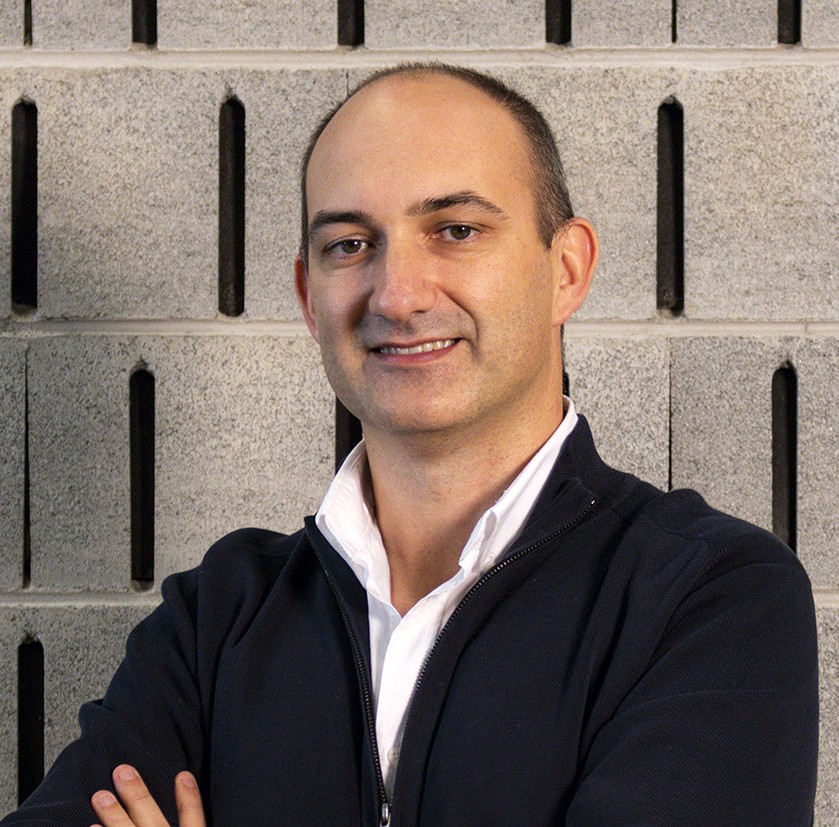
Dr. Bruno Sarmento
Research and Innovation in Health (i3S), University of Porto
His research focuses on nanomedicine, advanced drug delivery systems, and targeted, multifunctional nanoparticles. As the leader of the Nanomedicines & Translational Drug Delivery group at i3S, he leads research into innovative nanotherapeutic platforms and advanced 3D cell-based models for the development and preclinical evaluation of nanomedicines targeting cancer, diabetes, and infectious diseases.

Prof. dr. Hélder A. Santos
University of Groningen
Prof. Santos (D.Sc. Tech., Chem. Eng.) is a Full Professor and Chair in Biomedical Engineering, Head of the Department of Biomaterials and Biomedical Technology, and Head of the Translational Bionanomicro Theragenerative Medicine Lab at the University Medical Center Groningen, University of Groningen, the Netherlands. Previously, he was a Full Professor and Head of the Division of Pharmaceutical Chemistry and Technology at the University of Helsinki. He is also an Honorary Adjunct Fellow at the University of Technology Sydney and has held visiting professorships at Shanghai Jiao Tong University and the University of Tartu.
His research integrates biomedical engineering, pharmaceutical nanotechnology, and tissue engineering, focusing on nanomedicines, biomaterials, and innovative therapeutic formulations for cancer and cardiovascular diseases, with an emphasis on clinical translation. He co-founded Capsamedix Oy and Medixmicro Oy and coordinated the €4.1 million MSCA-ITN P4 FIT network.
Prof. Santos has co-authored over 650 scientific publications (37,500+ citations; h-index 107), co-invented 8 patents, delivered over 300 invited lectures, and secured more than €25 million through 35+ research grants. He has supervised over 60 PhD students and 45 postdoctoral researchers, with more than 10 former lab members now holding professorships worldwide. He currently (co-)supervises over 40 PhD students and 4 MSCA postdoctoral fellows.
He serves on the editorial boards of several leading journals, including Advanced Healthcare Materials, Advanced Therapeutics, and Journal of Controlled Release, and as Associate Editor of Nano Select and Drug Delivery and Translational Research.
His distinctions include the Portuguese Talent Prize in Science (2010), ERC Starting Grant (2013), University of Helsinki Young Researcher Award (2013), Academy of Finland Award for Social Impact (2016), ERC Proof-of-Concept Grant (2018), Controlled Release Society Young Investigator Award (2021), and APV Research Award (2026). Research.com ranked him among the leading materials scientists in the Netherlands (#13 in 2025 and #11 in 2026).
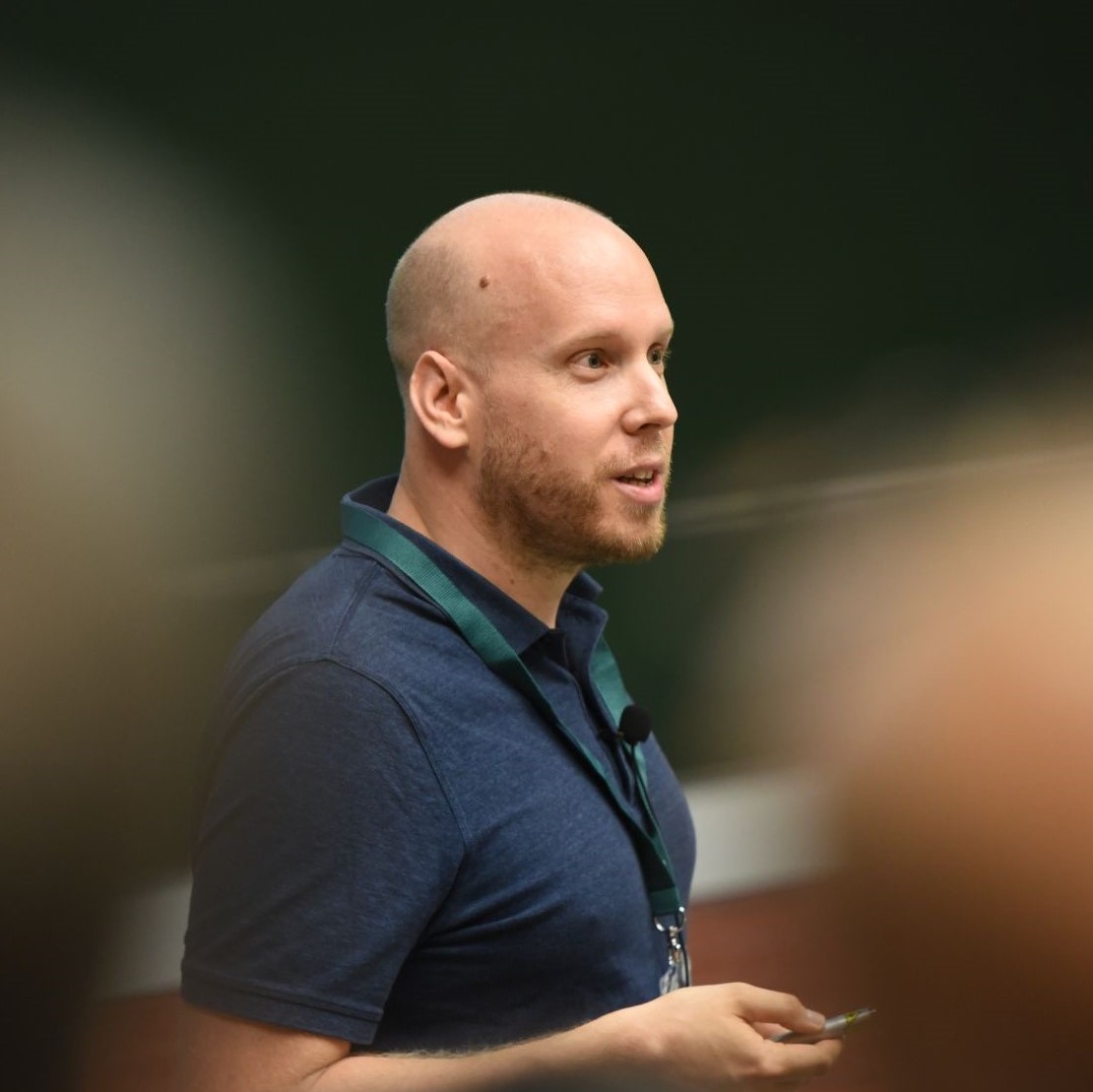
Dr. Mans Broekgaarden
French National Institute for Health and Medical Research
Dr. Mans Broekgaarden is a tenured principal investigator of the French National Institute for Health and Medical Research (Inserm), since 2020. He obtained his PhD from the University of Amsterdam in 2016, and completed his post-doc at the Wellman Center for Photomedicine, a thematic research institute of Harvard Medical School and Massachusetts General Hospital.
At the Grenoble-Alpes University, the Institute for Advanced Biosciences, his ERC-funded research program investigates lipid nanomedicines for the treatment of pancreatic cancer. He currently investigates light- and radiotherapy-responsive drug delivery, and the mechanisms by which photodynamic- and radiotherapy can increase the permeability of pancreatic cancers.
Dr Broekgaarden is also on the Executive Council of the Controlled Release Society’s France & BeNeLux local chapter, and has been a board member of International Photodynamic Association.
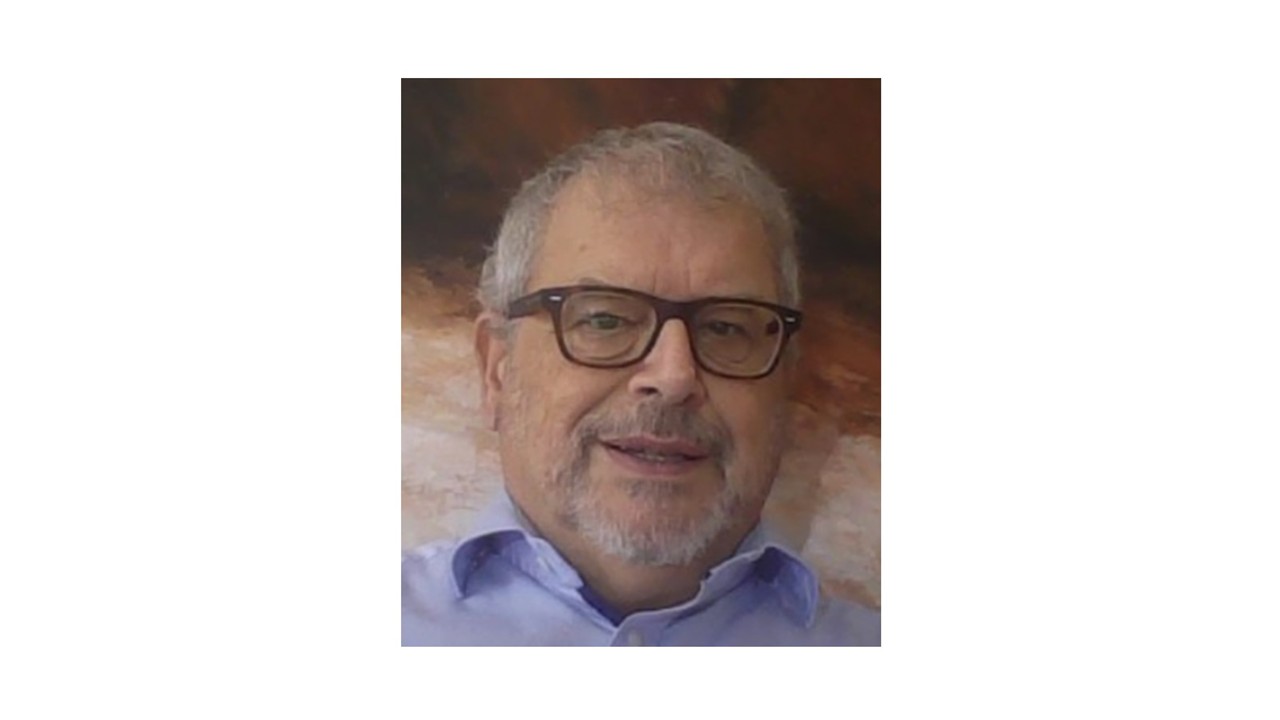
Prof. Dr. Martin Brandl
University of Southern Denmark
Currently serves as a a full professor (from January 2027 emeritus professor).
His previous functions include full professor & head of department (UiT, The Arctic University, Tromsø, Norway), (founding) director of pharmacy bachelor-& master-program (SDU, University of Southern Denmark, Odense, Denmark), management team of Nordforsk-action (Nordic Pharma Train), PI of more than 10 research projects and consortia, editor in chief European Journal of Pharma-ceutical Sciences, Elsevier.
Together with professor Annette Bauer-Brandl, he is leading a team of dedicated scientists PostDocs, guest-researchers and PhD-students. He has mentored/supervised 35 PhD- and more than 50 bachelor- / master-students. His research is focusing on oral delivery of poorly soluble drugs, especially the mechanistic understanding of candidate-enabling formulations and in vitro tools for predictive performance ranking (artificial biomimetic barriers, combined dissolution/permeation, microdialysis sampling); Another focus is on the elucidation of colloidal and micro-particulate structures relevant for oral drug absorption.
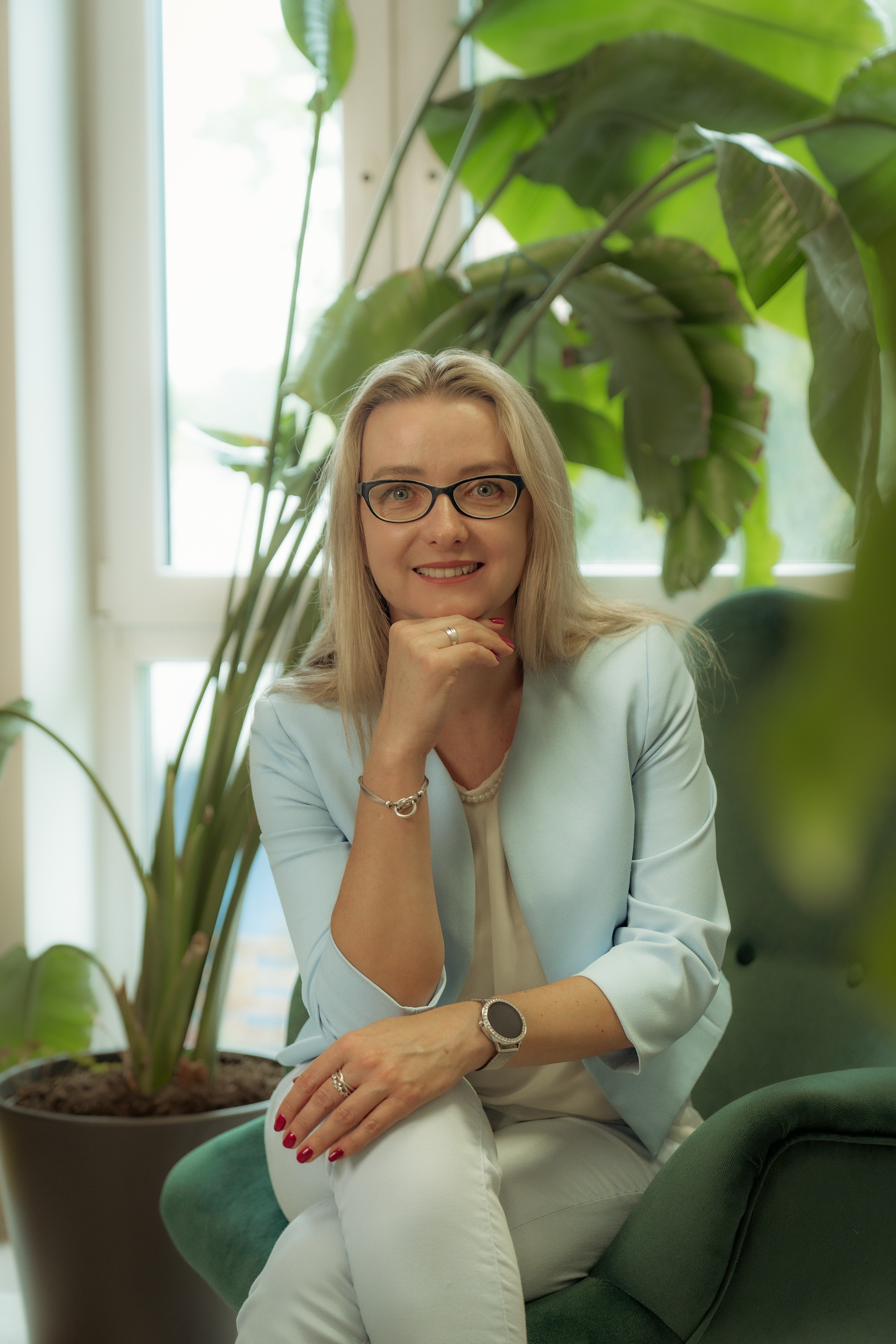
Prof. Dr. Aleksandra Szczepankiewicz
Poznań University of Medical Sciences
Prof. Aleksandra Szczepankiewicz is the Head of the Centre for Experimental Medicine and the Department of Experimental Biology at Poznań University of Medical Sciences, Poland. Her research focuses on the molecular mechanisms underlying asthma and other respiratory diseases, with particular emphasis on the role of non-coding RNAs in airway inflammation, immune regulation, and tissue repair. Her work also involves the development and application of experimental models to identify novel diagnostic biomarkers and potential therapeutic targets.
Prof. Szczepankiewicz has authored over 100 scientific publications and served as principal investigator in numerous research projects. She completed a postdoctoral fellowship at the University of Southampton and has received several prestigious distinctions, including the L’Oréal–UNESCO For Women in Science Award. She is also actively involved in the European Respiratory Society and contributes to the training and supervision of early-career researchers.
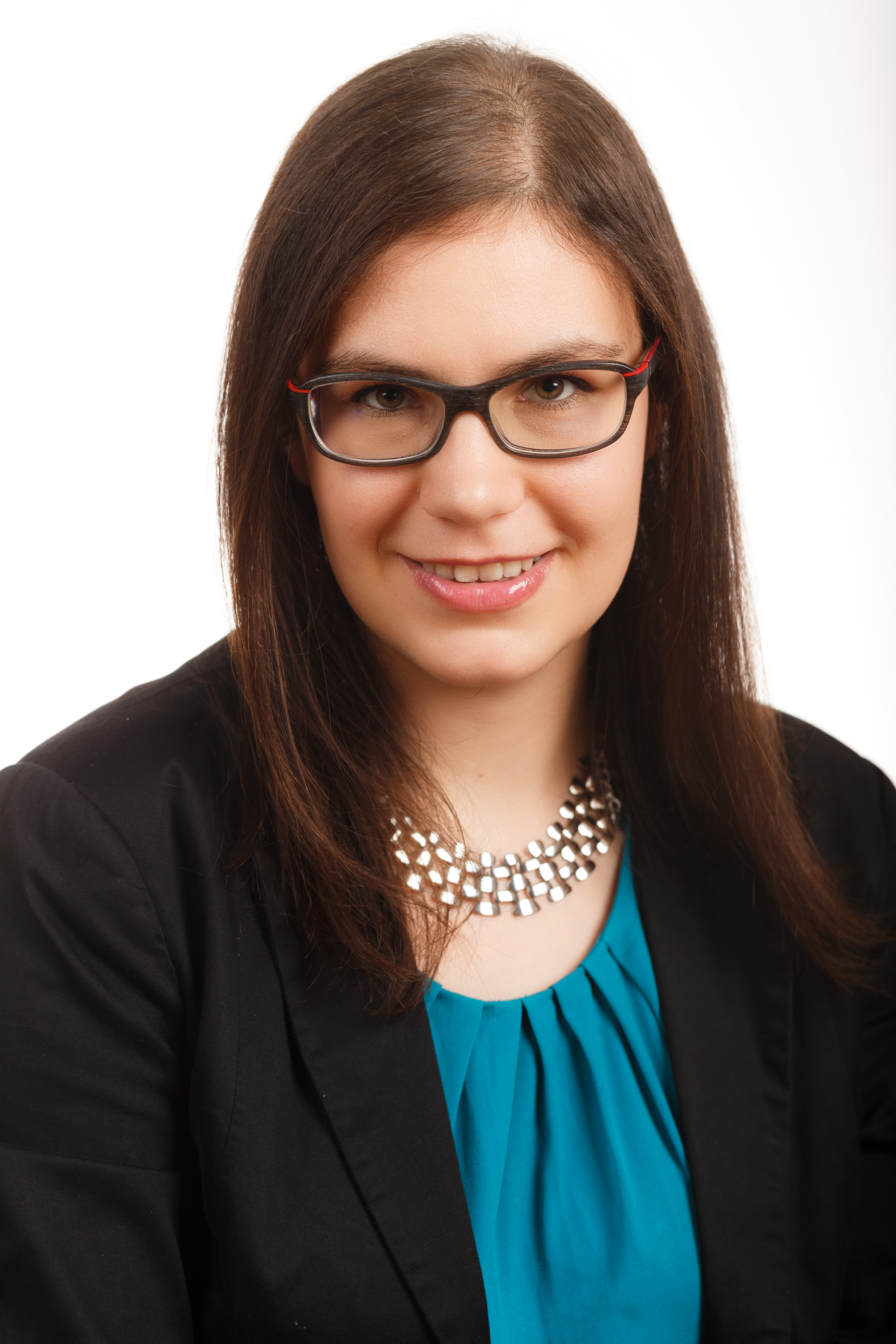
Prof. Dr. Špela Zupančič
University of Ljubljana
Špela Zupančič is an Associate Professor of Pharmaceutical Nanotechnology at the Faculty of Pharmacy, University of Ljubljana, Slovenia. She obtained her PhD in 2017 and gained international research experience at University College London, the University of Illinois Chicago, and Rutgers, The State University of New Jersey. Her research focuses on electrospun nanofibers incorporating drugs and probiotics, lipid nanoparticles, and vesicular delivery systems, including extracellular vesicles, with particular emphasis on their potential for treating vaginal infections and periodontal disease.

Dr. Natalia Rozwadowska
Institute of Human Genetics, Polish Academy of Sciences (IHG PAS)
Professor Natalia Rozwadowska is a biomedical scientist specializing in human genetics, stem cell biology, and advanced cell and gene therapies. She serves as Head of the Department of Molecular Pathology and Deputy Director for Development at the Institute of Human Genetics, Polish Academy of Sciences.
Her research focuses on the application of stem cells, particularly induced pluripotent stem cells (iPSCs), in disease modeling, regenerative medicine, and the development of innovative therapeutic strategies. Bridging academic research and biotechnology, she is actively involved in translational projects aimed at advancing Advanced Therapy Medicinal Products (ATMPs), including genetically engineered cell therapies such as CAR-T cells. Her work contributes to the development of Poland's emerging cell and gene therapy ecosystem, connecting scientific innovation with clinical translation and biotechnology-driven product development.
Her scientific and professional achievements have been recognized with several prestigious distinctions, including TOP 10 Women in Biotech, the Polka XXI Wieku Award in the Health category and two Prime Minister's Awards for outstanding scientific achievements.
Beyond her research and leadership roles, Professor Rozwadowska is committed to science communication and public engagement. She founded Gen-i-już, an association dedicated to promoting genetics and biomedical sciences among young people, whose educational initiatives reach nearly 1,000 participants annually.
Through her combined academic, translational, and leadership activities, she is dedicated to accelerating the translation of biomedical discoveries into innovative therapies and strengthening collaboration between academia, industry, and clinical medicine
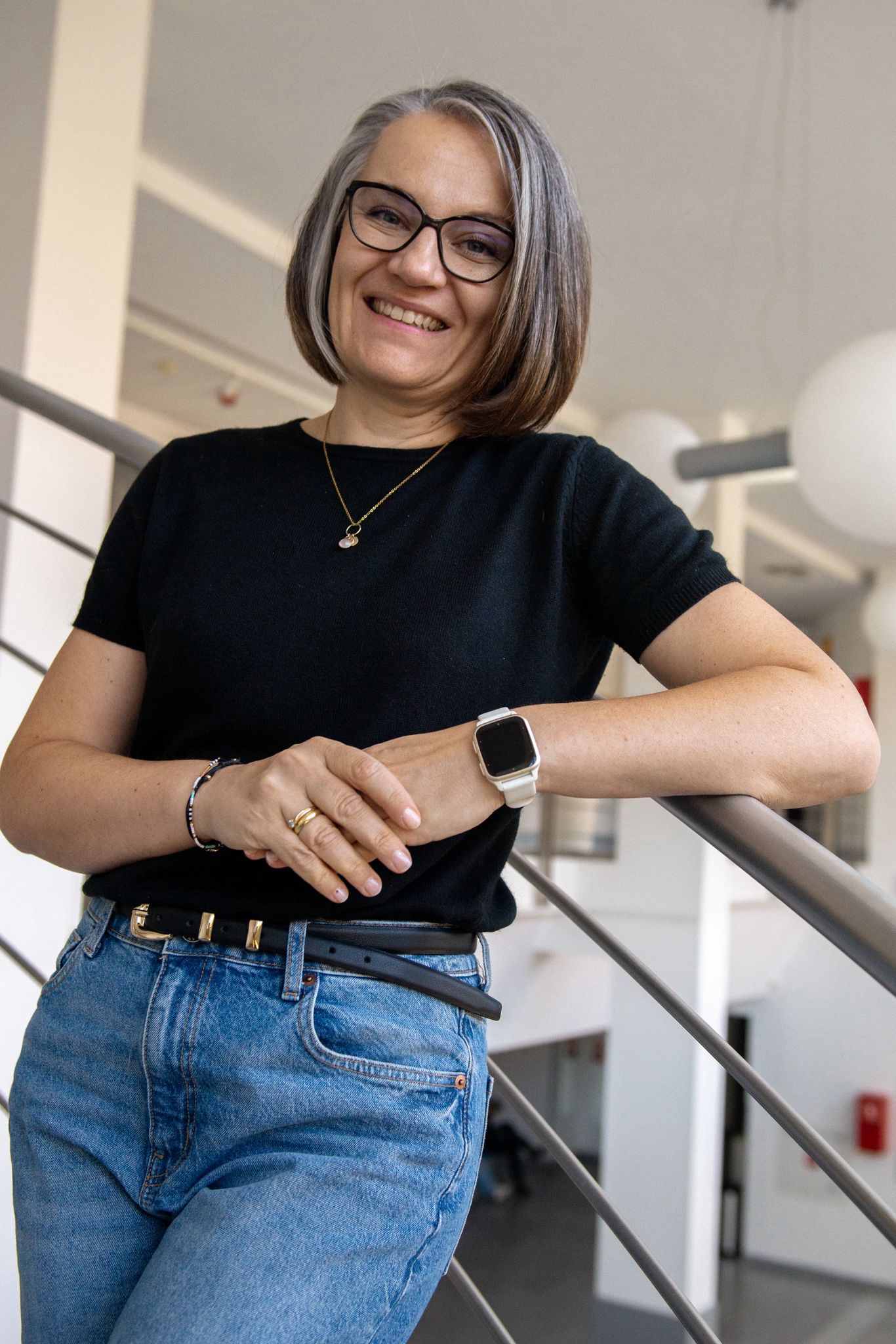
Dr. Agnieszka Piegat
West Pomeranian University of Technology in Szczecin
Dr. Eng. Agnieszka Piegat is a researcher at the West Pomeranian University of Technology in Szczecin, Poland, specializing in the design and development of polymer-based biomaterials for biomedical applications. Her research focuses on natural polymers, particularly chitosan, as versatile materials for drug delivery systems. She investigates the development, modification, and characterization of chitosan-based materials with tailored properties for controlled drug release and potential therapeutic applications. Her scientific interests lie at the intersection of polymer chemistry, biomaterials science, and drug delivery, contributing to the development of innovative, biocompatible material platforms for advanced pharmaceutical and biomedical applications.
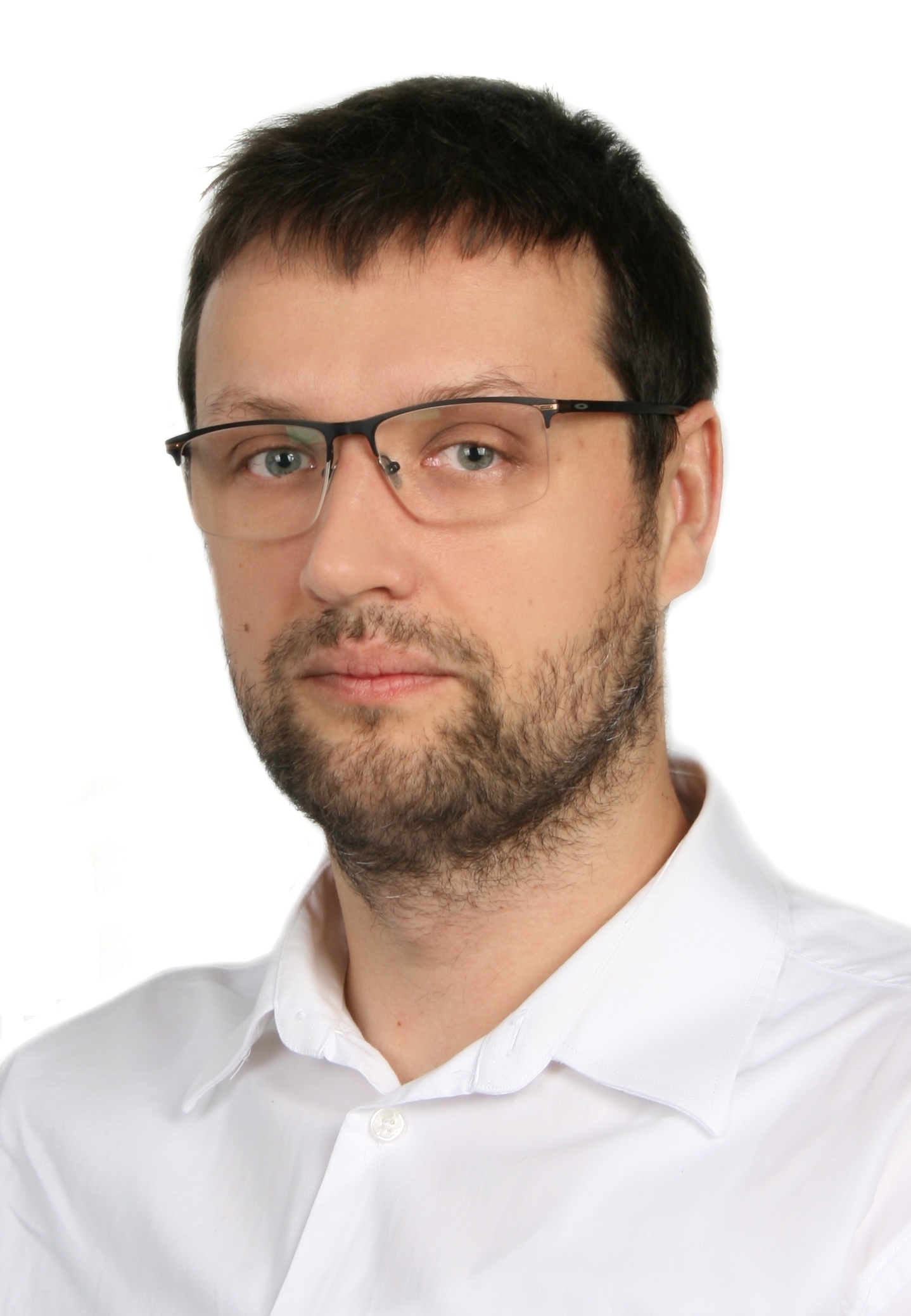
Dr. Krzysztof Szczepanowicz
Instytut Katalizy i Fizykochemii Powierzchni PAN im. Jerzego Habera
Krzysztof Szczepanowicz is an Associate Professor at the Jerzy Haber Institute of Catalysis and Surface Chemistry, Polish Academy of Sciences, in Kraków, Poland, where he leads the Nanostructures of Soft Matter Group and the Laboratory of Nanotechnology. His research focuses on the design, fabrication, and physicochemical characterization of functional nanostructured materials, with particular emphasis on layer-by-layer assembly, polyelectrolyte nanocapsules, and polymeric drug delivery systems. His work combines surface and interface engineering with the development of multifunctional nanocarriers for controlled drug release and biomedical applications.
Contact
Controlled Release Society Oddział Lokalny w Polsce
ul. Rokietnicka 3 / B.1.1.12
60-806 Poznań, Polska
Email: crspoland@ump.edu.pl